
Native App Development
Cadenic Studios ships native mobile apps to the store and keeps them there: submission, signing, subscription billing, staged rollout, crash reporting and the release cadence that follows.
An app in the store, not a build handed over with a note wishing you luck. Signing, review, entitlements and the release cadence that follows are part of the job here, because we have been through all of it under our own name.
What it gets hired to build
6 kinds of project
- Consumer apps with accounts and subscriptions
- Companion apps for an existing web product
- Field and operations apps for a working team
- Loyalty, booking and ordering apps
- Offline-capable apps that sync when they can
- Store submission and rescue of a stalled listing
That list shows the shape of the work. It is neither complete nor a menu of packages. If what you are building is not on it, the question is whether it is the same kind of problem, and that is a short conversation.
Shipping the binary is the easy half. What takes the time is everything around it: signing keys that must not be lost, store review and the response when it fails, entitlements that survive a refund, crash reports that arrive at 2am, and the native plugin work a cross-platform runtime does not cover. We build apps from a shared web codebase where that is the right call and drop to Kotlin or Swift where it is not — Delta-V ships with a hand-written Kotlin billing plugin because the packaged one did not do what the product needed.
What you get
- 01Android and iOS builds from one codebase
- 02Native plugin work in Kotlin or Swift where the runtime falls short
- 03In-app purchase and subscription entitlements
- 04Store listings, signing, staged rollout and review response
- 05Crash reporting, analytics and an update cadence
Stack
- Capacitor
- Kotlin
- Swift
- RevenueCat
- Firebase
- Google Play
Proof
Two pieces of work for this service, both live and both ours. Either one opens in a click.
Evidence 01
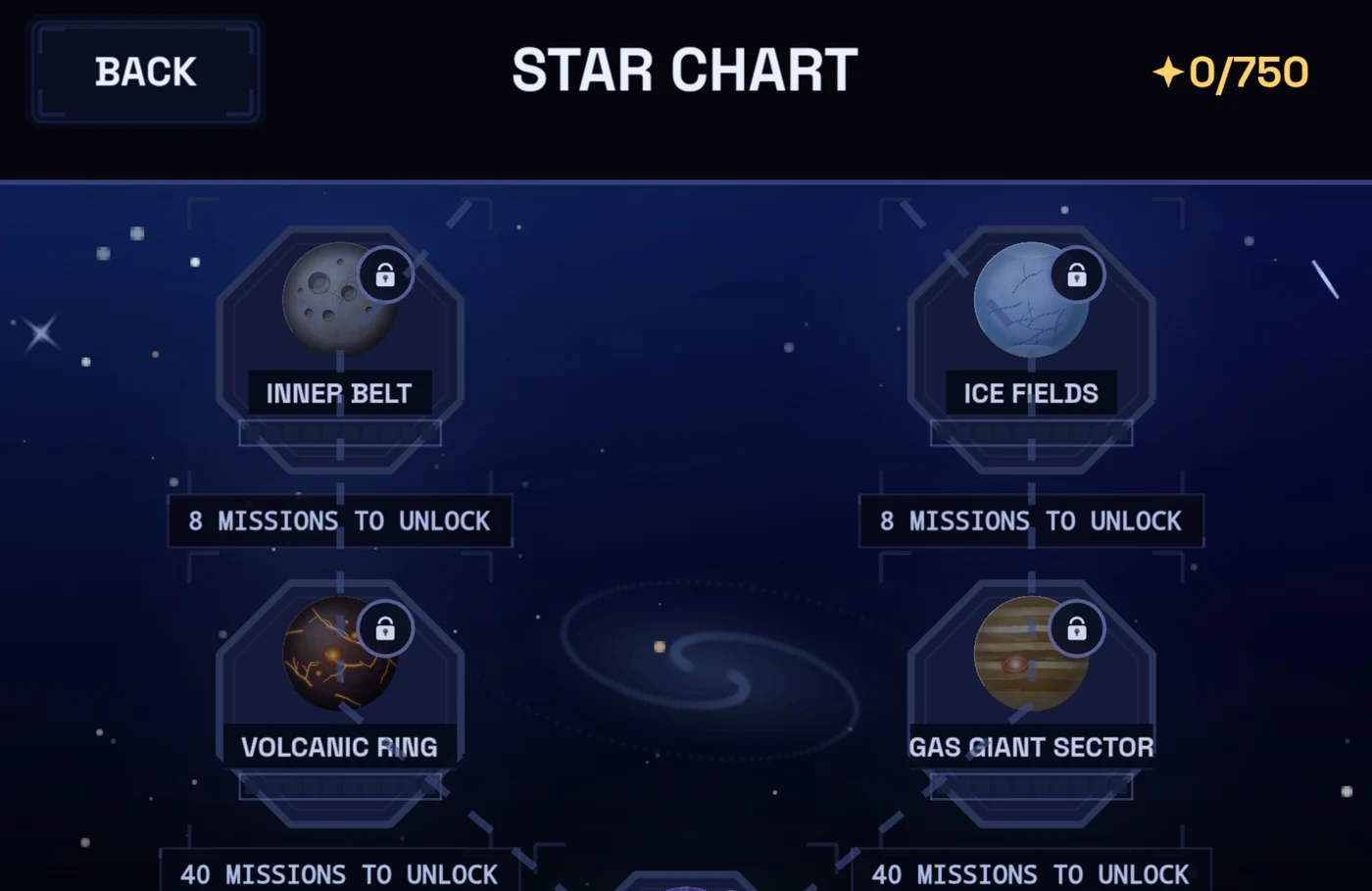
Delta-V went through Google Play review and is live in production. Its subscription billing runs on a hand-written Kotlin Capacitor plugin because the packaged one did not cover the entitlement shape the game needed, and hardware back-button routing was written the same way. Every route resolves to the same public methods the on-screen buttons call.
- buildable components
- ~580
- flyable levels
- 100
- hulls, each flying differently
- 5
- RevenueCat entitlements resolved through a Kotlin plugin written for this app
- Forced interstitials disabled by policy; only opt-in rewarded video and menu banners ship
- A committed audit suite models the economy and asserts purchase invariants on every run
Evidence 02

Scorebug's Android build comes off the same Next.js codebase that serves its web app, through Capacitor, with native notification permissions, app icons and deep links handled per platform. Subscription entitlements resolve from either the device receipt or the database, so a member is a member on whichever surface they open.
19 leagues covered · 7 sports, one code path · 2002 earliest season on record
- One repository, one release cadence, two surfaces
- Entitlements resolve from the device receipt or from Postgres, whichever answers
- Currently in closed testing, and labelled that way on every page of this site
Where it stopsThe store proof is Android. Delta-V has been through Google Play review and Scorebug's Android build is in closed testing. iOS comes off the same Capacitor codebase, but no Cadenic app has been through App Store review yet.
See Delta-VWritten up
The policy those entitlements are built around is written out too, including the truthiness bug that had been paying out on dismissed ads until a test caught it. A studio that publishes its own bugs is easier to check than one that publishes its own praise.
Monetisation you can defendProduct · 3 min read
The rest of the practice
Three more, same discipline
Cadenic Studios runs five services and they are the same practice pointed at different surfaces. Most projects touch more than one.
- 01Web & Application DevelopmentSoftware with accounts, roles and real data, and an admin surface your own team can run.
- 02Growth & Revenue EngineeringPages that go and find the audience, generated from your own data and measured.
- 04Headless CommerceOwn the storefront; leave the catalogue, the checkout and the money where they are.
- 05Discord & Community EngineeringA server built from a script, a bot that answers from your live data, and an address you own.
Method
How a project runs
The same five steps for every service. Nothing is committed to a build until the scope is written down and agreed. The studio page sets all five out in full, with what each one produces.
- 01Brief
- 02Call
- 03Scope
- 04Build
- 05Handover
Start a project
Tell us what you are building
Send the scope, the timeline and a budget range. Wyatt McPherson replies to every enquiry in writing. A short call, then a scoped estimate.