

Delta-V
An orbital odyssey: build the ship, then fly it
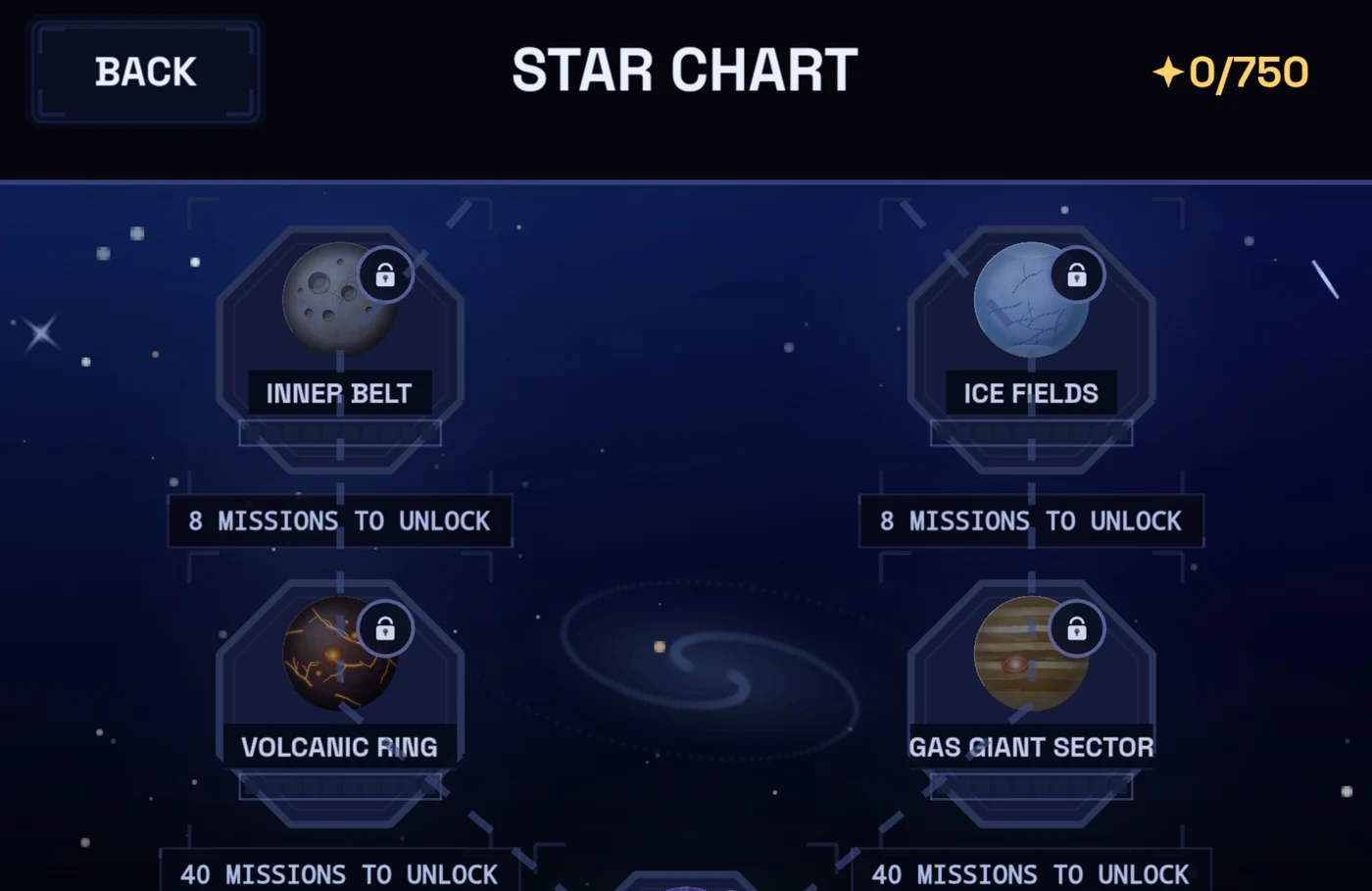
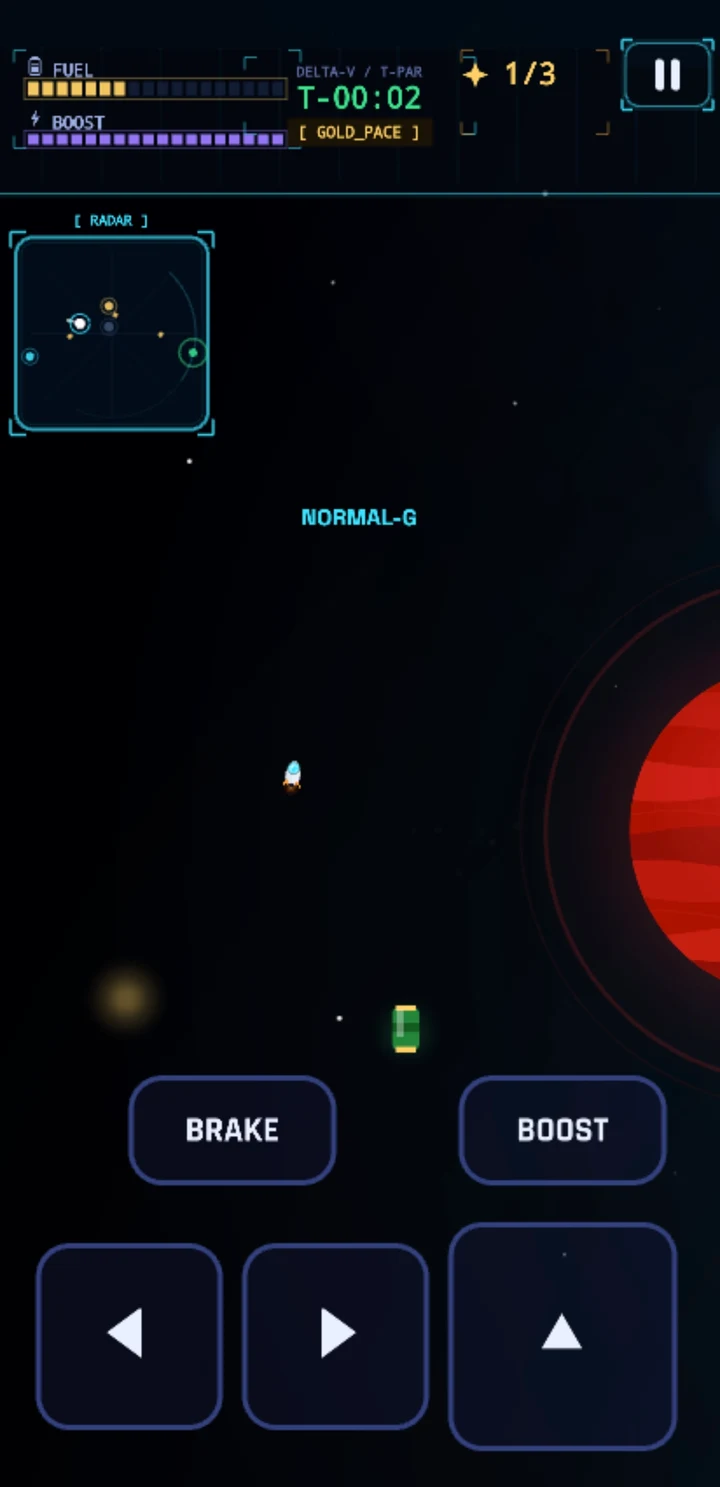
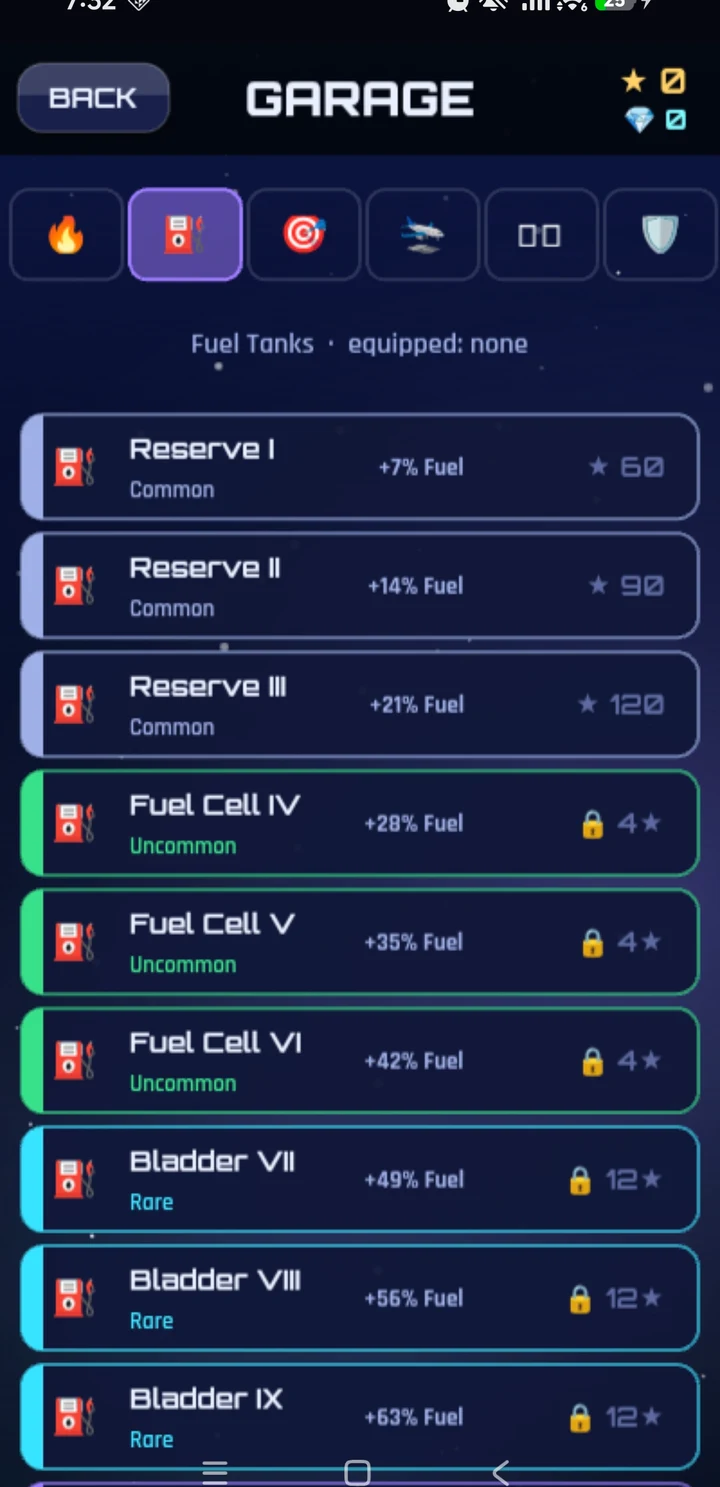
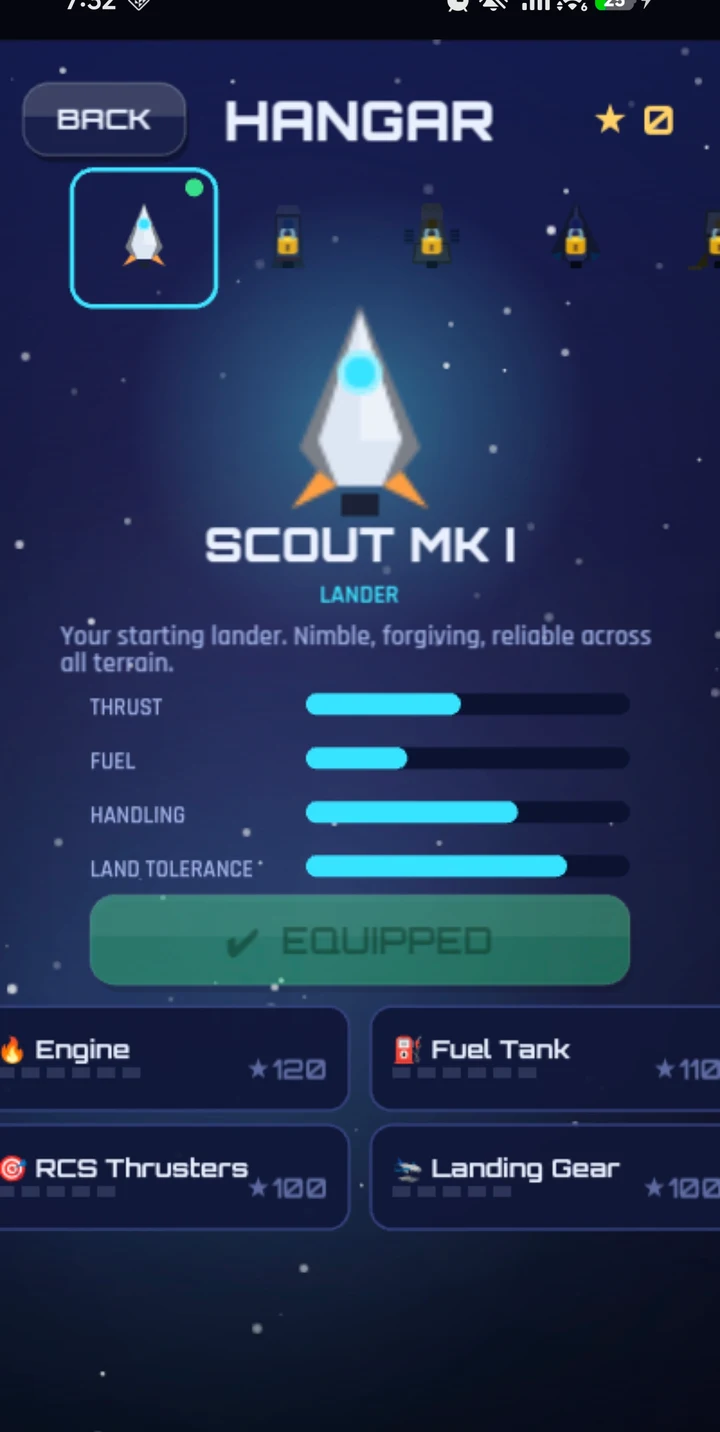
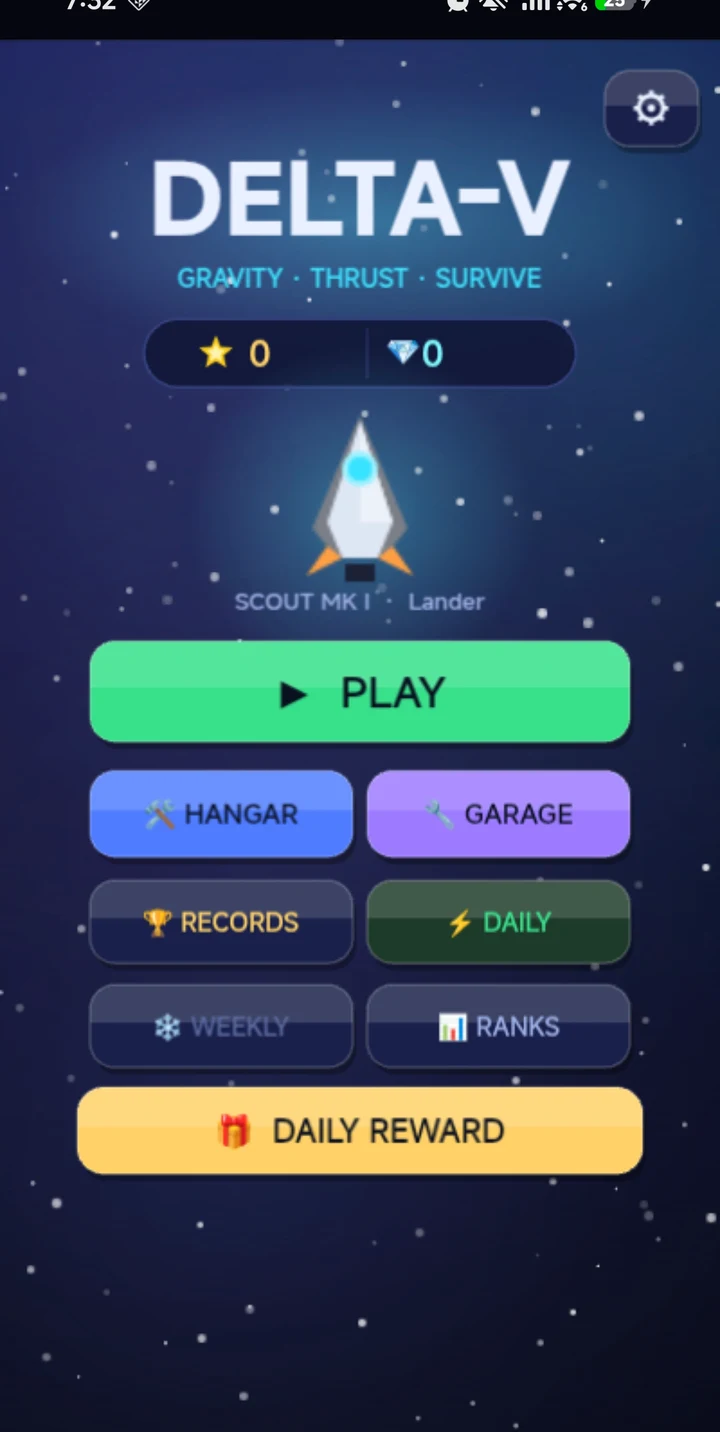
Delta-V is a physics game about gravity and momentum. You assemble a spacecraft from roughly 580 parts, then fly it through 100 hand-tuned and generated levels. There are no forced interstitials. The only ads are ones you choose to watch.
- Status
- Live on Google Play
- Year
- 2025 – present
Where to get it
Google Play(opens in a new tab)Delta-V in use
01Brief
The problem
Mobile physics games usually resolve into one of two failures: the simulation is too shallow to be interesting, or the monetisation is so aggressive that it interrupts the exact moment the simulation gets good. Delta-V had to hold a real orbital-mechanics feel at 60fps on a mid-range Android phone, and earn its keep without ever interrupting a flight.
02Measured
By the numbers
The figures that describe the shape of the build. Each one was read off the shipped product itself.
~580
buildable components
100
flyable levels
5
hulls, each flying differently
03Process
The build
Decision by decision: how it is put together, and what each one bought.
An audited parts economy
Roughly 580 components across fifteen categories, five hulls, and a hundred levels. The balance between them is validated by a committed audit suite that models the economy, plots the difficulty curve and asserts purchase invariants on every run. Tuning is done against that output.
Monetisation that never interrupts a flight
Forced interstitials are disabled by policy. What ships is opt-in rewarded video and menu-screen banners, so an ad can only ever appear where the player chose to be. A dismissed rewarded ad pays nothing. That was once a subtle truthiness bug that granted rewards on dismissal, and there is a test for it now.
Native work where the runtime ran out
Subscription billing runs through a hand-written Kotlin Capacitor plugin talking to RevenueCat, because the packaged plugin did not cover the entitlement shape the game needed. Hardware back-button routing was written the same way: flight, pause, results, sub-scene and root all resolve to the same public methods the on-screen buttons call.
Zero audio files
Every sound in the game is synthesised at runtime through the Web Audio API. No file is downloaded, decoded or licensed, and the audio budget of the whole title is the code that generates it.
A companion hub and a headless depot
playdeltav.space is a separate Next.js application that tracks live spaceflight from public launch data and renders computed globes for real bodies. Its merchandise depot runs headlessly on the Shopify Storefront API, handling product and variant queries, live stock, cart, and the hand-off to Shopify's own checkout. It sells in Canadian dollars from a storefront that shares none of Shopify's front end.
04Screens
Selected screens
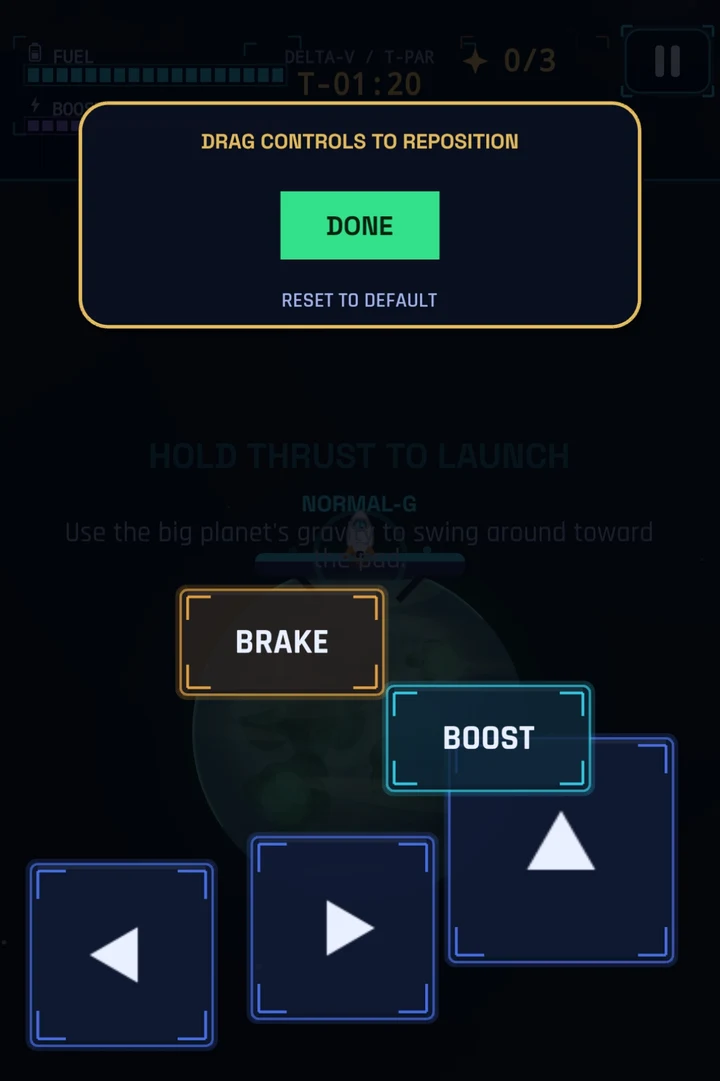
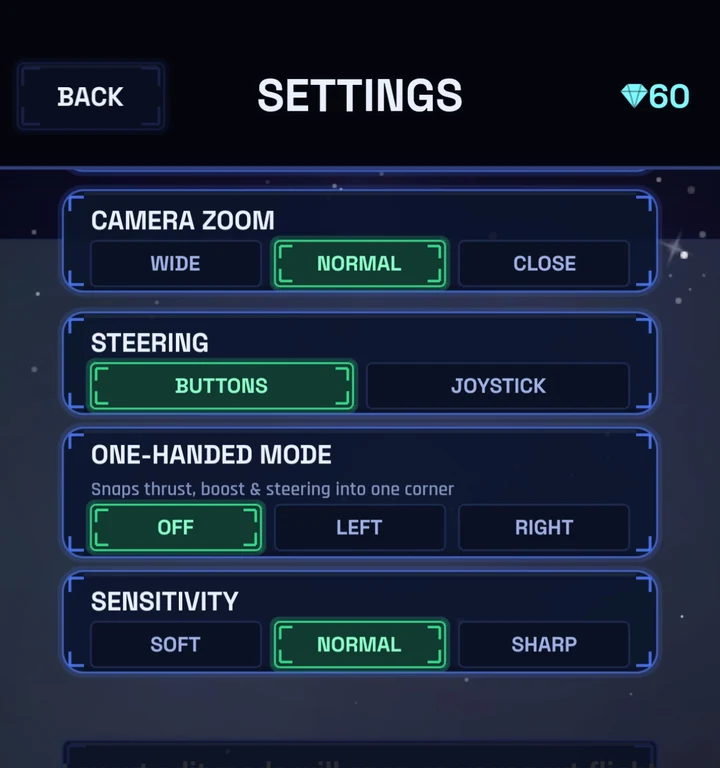
Every screen here was captured from the shipped build and cropped, never mocked up. Each plate is cut to its own capture, so nothing here has been squared off to fit a grid.
05Stack
What it runs on
The tools in production, grouped by the job they do.
- Game
- Phaser 3
- Vite
- JavaScript
- Web Audio API
- Mobile
- Capacitor
- Kotlin
- Android
- Services
- Firebase Firestore
- Firebase Auth
- Crashlytics
- RevenueCat
- Google AdMob
- Companion site
- Next.js 16
- React 19
- Tailwind CSS v4
- Framer Motion
- Commerce
- Shopify Storefront API
- GraphQL
- Resend
